
From Therapy to Medication: The Best Treatment Options for Anxiety
Best treatment options for anxiety can transform lives by helping people regain control over their symptoms and improve their overall well-being. Whether it's understanding anxiety disorders like Generalized Anxiety Disorder (GAD) or Social Anxiety Disorder, or exploring diverse treatment avenues, there's hope for recovery.

Understanding Anxiety Disorders
Anxiety disorders are more than just feeling nervous or stressed. They are serious mental health conditions that can disrupt daily life. Let's explore three common types: Generalized Anxiety Disorder (GAD), Social Anxiety Disorder, and Panic Disorder.
Generalized Anxiety Disorder (GAD)
GAD is like a constant cloud of worry. People with GAD often feel restless, irritable, and tired. They might have trouble concentrating or sleeping. This persistent anxiety can make everyday activities feel overwhelming.
- Restlessness or feeling on edge
- Easily fatigued
- Difficulty concentrating
- Irritability
- Muscle tension
- Sleep problems
Social Anxiety Disorder
Social Anxiety Disorder goes beyond shyness. It's an intense fear of social situations, where someone might be judged or embarrassed. This can make school, work, and social gatherings incredibly stressful.
- Fear of social situations
- Worry about being judged
- Avoiding social interactions
- Physical symptoms like sweating or trembling
Panic Disorder
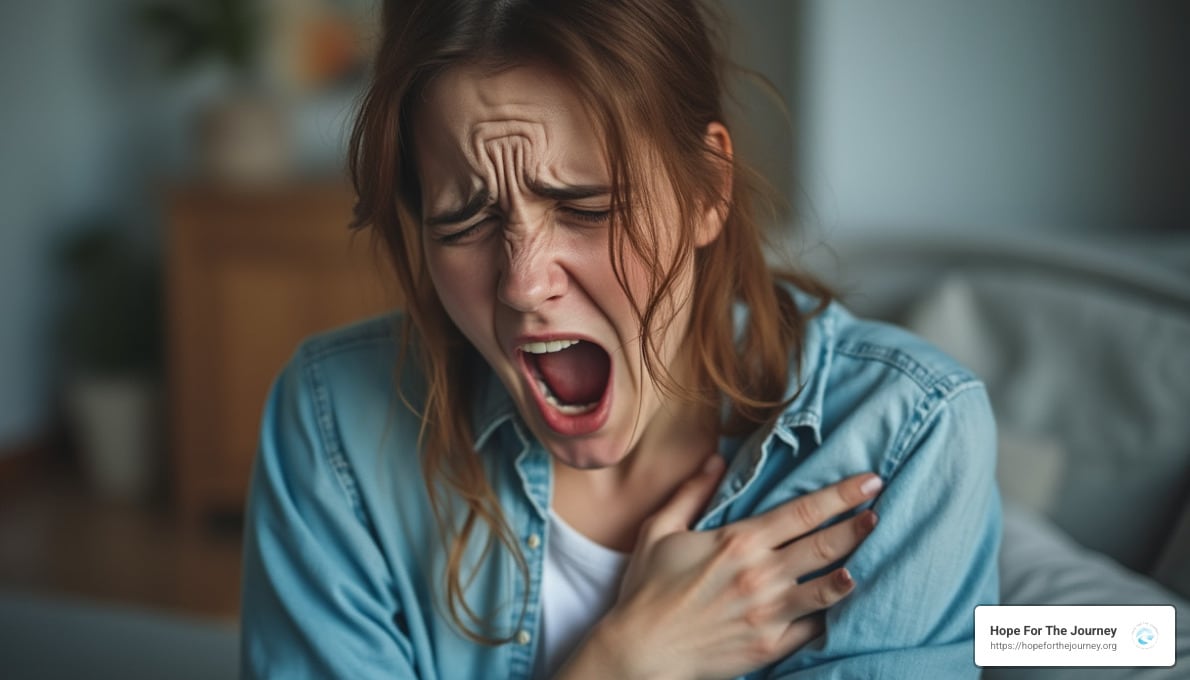
Panic Disorder involves sudden and repeated panic attacks. These are intense episodes of fear that can happen without warning. Panic attacks can make people feel like they're losing control or having a heart attack.
- Rapid heartbeat
- Sweating
- Shaking
- Shortness of breath
- Feeling of impending doom
Recognizing Symptoms
Identifying the symptoms of these disorders is the first step toward getting help. If anxiety is affecting your daily life, it's crucial to seek professional support. Hope For The Journey offers personalized therapy options to help you regain control.
Best Treatment Options for Anxiety
When it comes to managing anxiety, there are several best treatment options for anxiety that can help you regain control over your life. Let's break them down into four main approaches: psychotherapy, cognitive behavioral therapy (CBT), exposure therapy, and holistic practices.
Psychotherapy
Psychotherapy, often referred to as 'talk therapy,' is a powerful tool for treating anxiety. It's all about talking with a trained therapist to explore your thoughts, feelings, and behaviors. This approach can help you understand the root causes of your anxiety and develop strategies to overcome it.
- Cognitive Behavioral Therapy (CBT): Focuses on identifying and changing negative thought patterns. It's highly effective for anxiety, helping you learn to confront and manage your fears.
- Dialectical Behavioral Therapy (DBT): Combines CBT with mindfulness techniques. It teaches skills to regulate emotions and cope with stress.
Cognitive Behavioral Therapy (CBT)
CBT is a structured, goal-oriented therapy that helps you change the way you think and behave. It's one of the most effective treatments for anxiety, with a strong evidence base supporting its use.
- Teaches practical skills to manage anxiety symptoms.
- Helps you face and reduce fear through gradual exposure.
- Encourages healthier thinking patterns.
Exposure Therapy
Exposure therapy is a form of CBT that involves facing your fears in a controlled and safe environment. By gradually exposing yourself to anxiety-provoking situations, you can learn to reduce your fear response over time.
- Systematic Desensitization: Gradually facing fears while practicing relaxation techniques.
- Flooding: Directly confronting the most feared situations to reduce anxiety quickly.
Holistic Practices
In addition to traditional therapies, holistic practices can support anxiety management. These practices focus on the mind-body connection and overall well-being.
- Mindfulness and Meditation: Techniques that promote relaxation and stress reduction.
- Yoga and Exercise: Physical activities that can help reduce anxiety symptoms and improve mood.
These treatment options can be custom to fit individual needs, making it possible to manage and even overcome anxiety. At Hope For The Journey, we offer personalized therapy plans to help you find the right combination of treatments.
Psychotherapy Approaches
Psychotherapy is a cornerstone in treating anxiety, offering a safe space to explore and address emotional challenges. Let's dig into three popular approaches: talk therapy, cognitive behavioral therapy (CBT), and dialectical behavioral therapy (DBT).
Talk Therapy
Talk therapy, also known as counseling or psychotherapy, is a conversational approach where you work with a therapist to explore your feelings, thoughts, and behaviors. The goal is to gain insight into your anxiety and develop coping mechanisms.
- Provides a supportive environment to express emotions.
- Helps identify underlying causes of anxiety.
- Encourages personal growth and self-awareness.
Cognitive Behavioral Therapy (CBT)
CBT is a practical, structured approach that focuses on changing negative thought patterns and behaviors. It's one of the most researched and effective treatments for anxiety.
- Cognitive Restructuring: Identifying and challenging irrational thoughts.
- Behavioral Activation: Engaging in activities that reduce anxiety.
- Exposure Exercises: Gradually facing fears to diminish their power.
Dialectical Behavioral Therapy (DBT)
DBT combines CBT principles with mindfulness practices, focusing on emotional regulation and stress management. Originally developed for borderline personality disorder, it's now widely used for anxiety treatment.
- Mindfulness: Being present and aware of thoughts and feelings.
- Distress Tolerance: Building skills to handle crisis situations.
- Emotional Regulation: Learning to manage intense emotions.
- Interpersonal Effectiveness: Improving relationships and communication.
DBT's emphasis on acceptance and change makes it a versatile tool for those struggling with anxiety. It helps individuals balance acceptance of their current state with the motivation to change.
Lifestyle and Home Remedies
While professional support is vital for treating anxiety, lifestyle changes can also make a big difference. Let's explore some practical strategies you can incorporate into your daily routine to help manage anxiety symptoms.
Exercise
Regular physical activity is a powerful tool for reducing anxiety. Exercise releases endorphins, which are chemicals in the brain that act as natural mood lifters. It also helps improve sleep and reduces stress.
- Start small: Begin with short walks or simple exercises and gradually increase intensity.
- Find what you enjoy: Whether it's yoga, swimming, or dancing, choose activities that make you feel good.
Relaxation Techniques
Learning how to relax can ease anxiety. Techniques like visualization, meditation, and yoga can help calm the mind.
- Visualization: Imagine yourself in a peaceful setting, focusing on the sights and sounds.
- Meditation: Practice mindfulness by focusing on your breath and staying present.
- Yoga: Combines physical postures with breathing exercises to promote relaxation.
Mindfulness
Mindfulness involves staying present and fully engaging with the current moment. It can help you unhook from anxiety-provoking thoughts.
- Practice daily: Spend a few minutes each day focusing on your breath or surroundings.
- Use apps or guides: Resources are available to help you develop a mindfulness practice.
Dietary Adjustments
What you eat can impact your mood and anxiety levels. A balanced diet supports overall mental health.
- Focus on whole foods: Incorporate fruits, vegetables, whole grains, and lean proteins.
- Limit caffeine and sugar: These can increase anxiety symptoms.
- Stay hydrated: Drink plenty of water throughout the day.
These lifestyle and home remedies can complement other treatments and help you feel more in control of your anxiety.
Alternative and Emerging Treatments
In the quest to find the best treatment options for anxiety, alternative and emerging therapies offer promising avenues. These treatments can be especially appealing for those seeking non-traditional methods.
Transcranial Magnetic Stimulation (TMS)
Transcranial Magnetic Stimulation (TMS) is a non-invasive procedure that uses magnetic fields to stimulate nerve cells in the brain. It's primarily known for treating depression, but research shows it can also help with anxiety disorders.
- How it works: Powerful magnets are used to affect brain activity, offering relief from anxiety symptoms.
- Effectiveness: Studies suggest TMS can be effective, particularly when traditional therapies haven't worked.
Herbal Remedies
Herbal remedies have been used for centuries to address various ailments, including anxiety. Some herbs are believed to have calming effects that can help ease anxiety symptoms.
- Common herbs: St. John's Wort and Valerian Root are popular choices. They are thought to have mood-stabilizing properties.
- Considerations: While herbal remedies can be beneficial, consult a healthcare provider before use, as they can interact with medications.
Acupuncture
Acupuncture is an ancient Chinese practice that involves inserting thin needles into specific points on the body. It's believed to balance energy flow and is often used to treat pain, but it can also help with anxiety.
- How it helps: Acupuncture may reduce stress and promote relaxation by releasing natural painkillers and mood improvers in the body.
- Research insights: While more studies are needed, some evidence suggests acupuncture can be a useful complementary therapy for anxiety.
Frequently Asked Questions about Anxiety Treatment
What is the most effective treatment for anxiety?
When it comes to the best treatment options for anxiety, psychotherapy often tops the list. One of the most effective forms of psychotherapy is Cognitive Behavioral Therapy (CBT). CBT focuses on identifying and changing negative thought patterns and behaviors that contribute to anxiety.
- CBT Benefits: Studies show that CBT can significantly reduce symptoms of anxiety.
- Long-Term Success: The skills learned in CBT can be applied long after therapy ends.
Conclusion
At Hope For The Journey, we understand that navigating anxiety can be challenging, but you're not alone. Our team is dedicated to providing personalized support custom to your unique needs.