

Who We Help: Parents, Partners, Teens, and Couples
You don't need the right words to deserve help. Most people who walk through our door never describe what happened to them as trauma. They just know something isn't working. See if any of this sounds familiar.
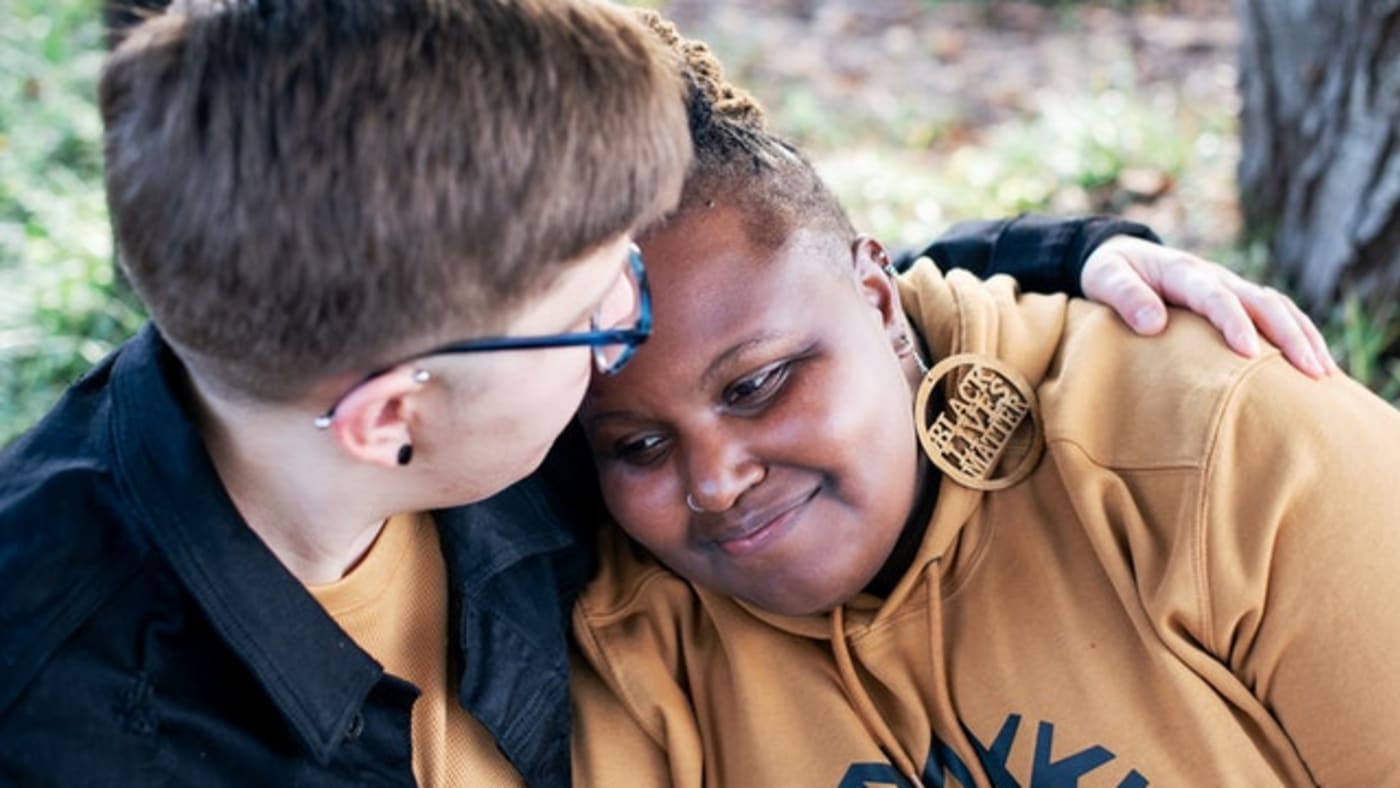
Find the page built for you
Every situation above has its own page with more specific guidance, FAQs, and a team match. Pick the one that fits.
By age
4–12
Child & tween
Gentle, parent-involved therapy for younger kids. Austin & online.
18–25
Young adult
Therapy you book for yourself, on your own terms.
By situation
Therapy Support for Parents
You just want your child to be okay. You've noticed things. The withdrawal, the anger, the silence where there used to be conversation. And underneath your worry there's a quieter, harder question you may not have said out loud: did I miss something?
Here's what we'd want you to hear first - noticing at all puts you ahead of where most people are. What you do next matters far more than what you didn't see before.
What you might be afraid of
- That therapy will make things worse for your child
- That you'll be judged for your parenting
- That you ought to be able to fix this yourself
- That handing this to a stranger means giving up control
How we help
- We work with your child and support you separately
- You'll understand what's happening, not just be told to trust us
- Practical guidance on protecting without smothering
- No blame. Not once, not implied.
Support for Partners and Family Members
You want to help. You're not sure how. You've watched someone you love struggle, and every attempt to help seems to land wrong. You've been careful, and then you've been resentful about having to be careful, and then you've felt guilty about the resentment.
That's not a character defect. That's what it's like to love someone who is hurting, without a map.
What you might be afraid of
- That making it about you is selfish
- That you'll say something that sets recovery back
- That couples therapy already failed once
- That wanting closeness makes you demanding
How we help
- Concrete guidance for triggers and hard moments
- Support for you as a person, not only as a supporter
- Couples work when you're both ready for it
- Permission to have your own needs in this
Therapy for Teens
Therapy that doesn't feel like being managed. Most teenagers arrive having decided this is going to be pointless. Fair enough - a lot of them have already been talked at by adults who were sure they knew what was going on.
We start somewhere else. Our clinicians who work with teens are direct, not patronizing, and genuinely hard to shock.
What you might be afraid of
- That everything gets reported to your parents
- That you'll be labeled or put on something
- That an adult will decide what your problem is
- That it'll be awkward and pointless
How we help
- Clear, honest boundaries around what stays private
- Clinicians who talk with you, not about you
- EMDR that doesn't require narrating everything
- You get a say in the pace and the plan
Couples Therapy After Trauma
You're not the enemy. The pattern is. Most couples who come to us aren't fighting about what they think they're fighting about. Underneath the logistics argument there's usually an older question: am I safe with you, and do I matter to you?
When one or both partners carry trauma, that question gets loud. We work with the pattern between you, not with deciding who's right.
What you might be afraid of
- That the therapist will take a side
- That you'll be told the relationship is unfixable
- That opening it up makes things worse
- That you've already left it too late
How we help
- Both partners get heard, properly
- Individual trauma work alongside couples work when needed
- Focus on repair skills you can use at home
- Honesty about what's realistic, in either direction
Who Else We Work With
Also here for you: adults on their own healing path, men who've been told to get on with it, LGBTQIA+ clients who need an affirming room, first responders and healthcare workers, and people carrying things they've never said out loud to anyone.
If you're in crisis right now
Call or text 988 for the Suicide and Crisis Lifeline - 24/7, free, and confidential. If you are in immediate danger, call 911 or go to your nearest emergency room. Hope For The Journey is not a crisis center, and messages may not be monitored outside business hours.
Healing is possible. Let's take the first step together.
Book a free 15-minute consult. We'll listen, answer your questions, and help you find the right fit - whether that's with us or somewhere else.