
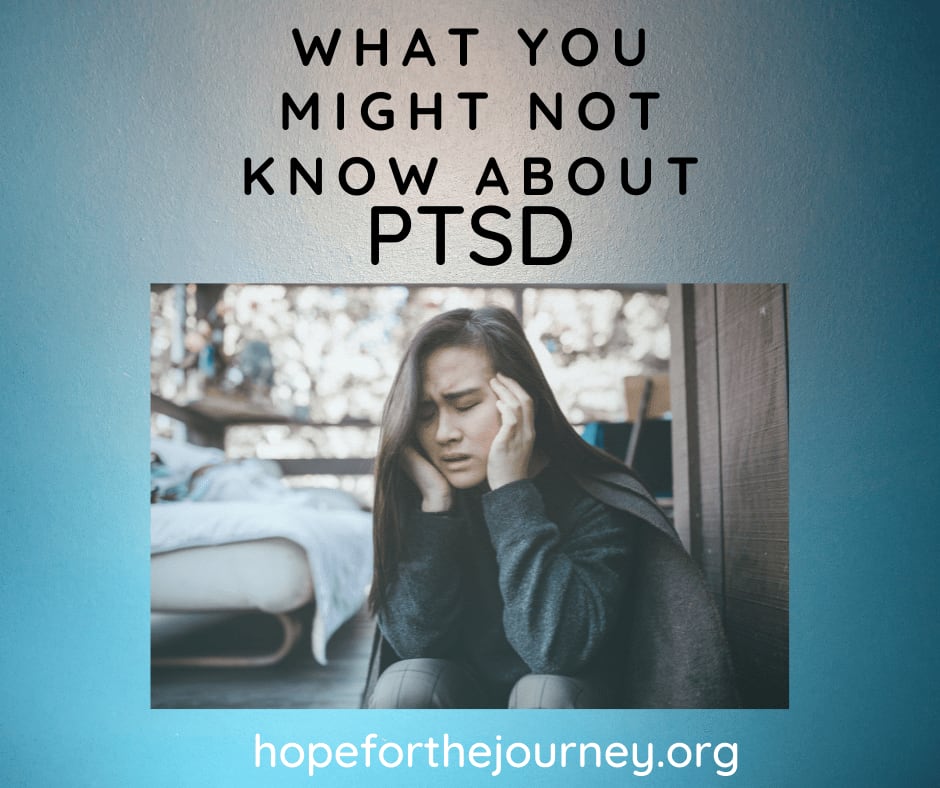
What You Might Not Know about PTSD
Jan 25, 2022 | By: Hope for the Journey
PTSD Help in Austin, Texas for kids, adults, parents, and partners.
PTSD: On The Rise in 2022
Often at the start of a new year, it is a time for goal-setting and New Year's Resolutions. We may feel very open to growth, improvement, and setting ourselves up for success. During this time of year, we become more optimistic and excited for future possibilities. This year, though, you may find that you're feeling different about goal-setting. You may be feeling different about yourself as a whole. You may not feel motivated to make resolutions.
It could be that you're having a hard time concentrating or focusing on one thing. If any of these sound familiar, there might be more to what's going on than you think. As we begin 2022, we are now entering into our third year of a global pandemic. Despite (or due to) differing opinions and responses to the pandemic, everyone has felt affects in some way.
The continued spread and rise of COVID-19 cases have affected many aspects of life. This includes our routines, social interactions, and our sense of safety and control. Plus, all of this is happening on top of everything else that was already going on in your life…your stressful job, your traumatic past, or your strained relationships. It's no wonder that you may experience additional mental health struggles! You may even be experiencing a trauma response known as PTSD.
PTSD, or Post-Traumatic Stress Disorder, is ongoing. It impacts your emotions, senses, and body so much that your ability to work, do things, or be in healthy relationships becomes hard.
Here's what PTSD looks like:
PTSD Symptom #1: You Have At Least 1 Re-Experiencing (or Intrusion) Symptom
A Re-Experiencing or Intrusion Symptom is when you can't seem to stop thinking about an event. It means that you find yourself thinking about the traumatic event even when you do not want to. You may find it hard to control these thoughts. It may almost feel as if your brain automatically jumps to thinking about it.
For example, you may notice that you're often thinking about the COVID-19 pandemic. You're checking the news and participating in debates on social media. But even when you're not doing these things, you find yourself thinking about it. You may even feel upset over and over again.
Or if you were in a past car accident, you may feel as though everything reminds you of it. When you experience these reminders, it stresses you so much that even braving the day is hard.
Intrusion symptoms can also include dreams or nightmares. So, you may be able to distract yourself during the day and not focus on a traumatic event(s) with success. But, you often find yourself waking up in the middle of the night or the morning feeling panicked.
You remember bits and pieces of your dream (or not) and you know that it had to do with your past trauma. Or, the traumatic events that you were exposed to. The quality of sleep is poor and that, in turn, impacts your mindset throughout the whole day. The memory or your panicked response becomes harder and harder to avoid addressing.
PTSD Symptom #2: You Have At Least 1 Avoidance Symptom
People who have PTSD work hard to avoid memories, thoughts, and feelings about the trauma. This also includes external reminders like people, places, or things that might remind them of the trauma. When we know that reminders of traumatic events cause us to feel negative, it's natural that we would want to avoid them.
We tend to shy away from discomfort to keep ourselves feeling safe and happy. But, if and when the avoidance impacts our relationships, our work, our routine, and other areas of our lives, it may be an indicator that you have PTSD.
PTSD Symptom #3: You Have At Least 2 Negative Changes to Your Thinking and Mood
Exposure to a traumatic event can impact the way that you think and feel about yourself, the event, and the world. It's normal to feel sad, mad, guilty, etc. when something bad happens to you or to someone that you love.
Criteria for PTSD are met when your negative mood and negative thought processes are persistent and exaggerated. For example, You got out of a recent abusive relationship.
You might truly believe that nobody can be trusted and that you will be alone forever. Other examples of the changes in mood and thinking that meet PTSD criteria include:
- Continued self-blame
- Lack of interest in hobbies or preferred activities
- Feeling isolated from others
- Struggling to feel positive emotions
PTSD Symptom #4: You Have At Least 2 Negative Changes in Reactivity
Exposure to trauma can also impact our actions and our reactions. All of a sudden, you find that you have way less patience. Any little thing can set you off and now it feels typical for you to yell or act out physically.
You may also find that you're choosing to engage in reckless or self-destructive behavior. Or on the opposite end of the spectrum, you may notice that you're often hypervigilant and watching out for danger. Trouble concentrating and experiencing sleep disturbances are other consequences of trauma. Oftentimes, they can be components of PTSD.
What Can We Do About PTSD?
Experiencing any of these things on their own might not seem like a big deal. But, if you are struggling with enough of these symptoms, life can get pretty difficult. If your response to trauma is left alone, it can make all the other things in your life seem extra heavy. You deserve to thrive as opposed to feeling as though you can barely keep your head above water.
The good news is there is help for PTSD. Have you found yourself relating to any of the symptoms listed above? If you would like extra support to further explore your stress response, please reach out to Hope For the Journey. Or, another trauma therapist!
Begin PTSD Treatment in Round Rock, TX or Austin, TX
At Hope For The Journey, all our therapists are trauma-informed. We will take an individualized approach to address your concerns and negative symptoms. We look forward to offering support from our Round Rock, TX-based therapy practice. To start your therapy journey, please follow these steps:
- Contact Hope for the Journey
- Meet with a caring therapist
- Start overcoming your trauma!
Other Services Offered with Hope For the Journey
PTSD treatment isn't the only service we offer from our Round Rock and Austin locations. Our therapy practice also offers therapy for depression, domestic violence, sexual assault, and anger management.
Learn more about our mental health services for children, teens and young adults, men, couples, and the LGBTQ community.
Learn more by contacting us or visiting our blog today!