

5 Reasons to Seek a Sexual Abuse Counselor
Sexual abuse can wreck lives, but it doesn't have to. Having a good sexual abuse counselor to help you heal is very important.
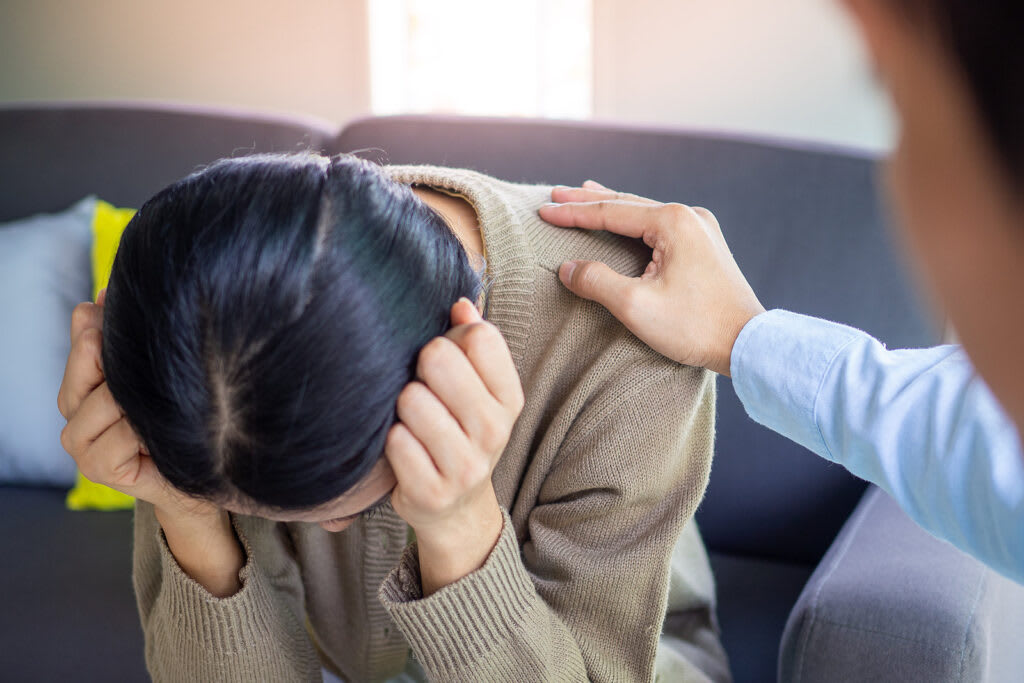
Do I Need a Specialist For Sexual Abuse Counseling?
Recently I was at a networking event and was asked what I do. So, I said my usual spiel, "I'm a trauma therapist and run a trauma counseling center. We help kids, adults, parents, and partners to not only survive but thrive after a traumatic event. Especially sexual traumas." The other counselor I was talking with said, "Well, all therapists do trauma, so that's not really a specialty."
Interesting… You see, a lot of therapists do treat sexual abuse and other traumatic experiences as part of their practice. Some do it very well, but not all. Don't get me wrong. A non-specialist can be a very good therapist—well-meaning and ethical. Many have lots of clinical experience and get good results. But the reality is that Post Traumatic Stress Disorder (PTSD) requires specialized training. Sexual assault treatment, in particular, requires a therapist with the experience and support around them to heal the negative effects of sexual abuse or assault in an effective way.
Benefits of A Sexual Abuse Counselor
The trauma brain is different than the non-trauma brain.
When someone has experienced a life or soul-threatening event, they have a one in three chance of developing PTSD. The more traumas you experience, the more likely you are to develop PTSD. It's kind of like how a small chip in your windshield is more likely to make a huge crack if it keeps getting hit with stones.
Once you have PTSD, your brain does not work the same until the PTSD heals. The trauma is stored in the "here and now". So, when something reminds you of what happened, your body starts to react as if it's going on right now. You might not even be aware of the sound, smell, or other triggers that made your body remember. Then, all of the sudden, your heart is racing–you feel little, dirty, or unsafe. This is automatic and often unconscious. It can also be super intense. You feel "crazy" and out of control–like you can't even trust your instincts and body. You may never know when it will happen.
Now, you go into therapy, and the first thing most therapists will do is ask you to talk about it. This will trigger that same process of re-experiencing that you have been trying to avoid. So, you "numb out" or leave and fall apart. Or, you may cut yourself to make the pain manageable.
A well-trained sexual abuse counselor will do things in a different way. He or she will give you tools right from the start to better manage these feelings. Your counselor will tell you NOT to give all the details until you are ready.
The hard work of sexual assault counseling needs a definite beginning AND end.
Because trauma work is hard, no one wants it to last forever. Traditional psychotherapy (where you dig into new insights and work for years to uncover the unconscious reasons that cause you to do certain things) is great. But, not for a traumatized brain. Trauma work should be short-term and have a definite beginning and end. This way, you can always see the light at the end of the tunnel. Otherwise, most get lost in the tunnel and are likely to give up.
Your sexual trauma therapist's experience is that light at the end of the tunnel. A good sexual trauma therapist always knows exactly where you are in the process. They can offer reassurance that you are on the right path. Once trauma work is complete, you can opt to work more loosely with any remaining issues you may want to address.
If you don't use it, you lose it.
Trauma work is challenging on an emotional and intellectual level for clinicians. It takes special attention to detail. If a counselor does not do trauma work on a regular basis—even with adequate training and experience—those skills get rusty.
This can be pretty dangerous. People dealing with PTSD symptoms often also suffer from depression and other sometimes severe anxiety symptoms. Your sexual abuse therapist needs to be very in tune with how connected you feel within the session. And, how high your emotions are at any moment.
Many people freeze as part of the PTSD reaction. This can cause them to "numb out" or dissociate. This causes people to be completely out of touch with their experiences. Often, they are unaware this is happening. Dissociation can also cause a person to struggle with verbalizing how they feel. Afterward, when they "come to", they are often flooded with emotions, flashbacks, and/or body sensations. Of course, we want to avoid this.
So, having a trained therapist to watch for the signs of dissociation and knows how to bring you back into the present with safety is paramount. Once you can do it with your therapist, you will learn to do it on your own. This is the beginning of regaining control in your life and is a big part of the healing process.
Support Matters
The final piece that may be missing in a more generalized or smaller counseling setting is support for the therapist. Sexual abuse counseling is intense. It requires counselors to be 100% present. They must care for their clients on a deep level. And, they must hear stories that can haunt dreams (as anyone suffering from PTSD can tell you).
A good sexual abuse therapist has a built-in support system. It will have the checks and balances needed to ensure when they step into the counseling room with you, they have already dealt with their own stuff. Instead, they can tune in to your needs. In this way, your treatment goes smoother and faster.
To Sum Up: A Skilled Sexual Abuse Therapist DOES Matter
If you have been struggling with a sexual abuse or assault experience that will not seem to let you move on, there is hope. Even if you have had counseling in the past that did not help, do not give up. You might need a more specialized therapist.
Look for someone who offers more than one trauma-specific treatment option. This gives you the flexibility to try different modalities to see what feels like a good fit for you. It also shows that your counselor has invested extensive time and resources towards specialized training. Finally, memberships in trauma-related professional organizations are always a plus. It means your therapist has access to a broader network for their support and continued education.
And, of course, if you have questions, our staff at Hope For The Journey are here to help.
Talk to someone
If you are looking for a sexual trauma therapist, a free 15-minute call is a confidential place to start.
Related services
If you're in crisis right now
Call or text 988 for the Suicide and Crisis Lifeline - 24/7, free, and confidential. If you are in immediate danger, call 911 or go to your nearest emergency room. Hope For The Journey is not a crisis center, and messages may not be monitored outside business hours.
Healing is possible. Let's take the first step together.
Book a free 15-minute consult. We'll listen, answer your questions, and help you find the right fit - whether that's with us or somewhere else.