

Understanding Seasonal Depression
As the seasons change, so can our moods, but do you know how to tell seasonal depression from a simple low mood? For some, the change is more than a passing mood swing; it's a condition known as Seasonal Affective Disorder (SAD).
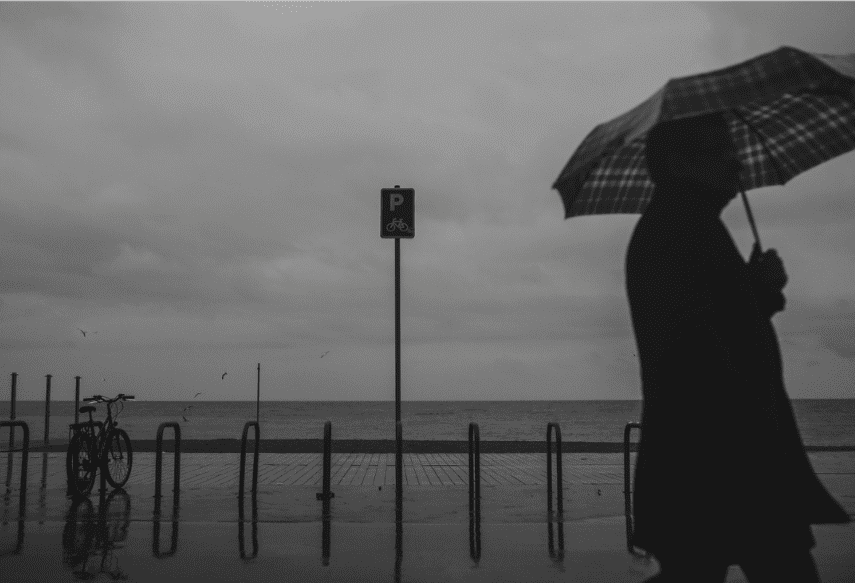
As the seasons change, so can our moods, but do you know how to tell seasonal depression from a simple low mood? Many of us experience the ebb and flow of emotions in response to the shifting weather, shorter days, and longer nights. For some, this seasonal change is more than just a passing mood swing; it's a condition known as Seasonal Affective Disorder (SAD) or seasonal depression. In this blog post, we'll explore seasonal depression, shedding light on its causes, symptoms, and evidence-based therapeutic approaches to help you navigate the darkness.
Seasonal depression, often referred to as SAD, is a type of depression that follows a seasonal pattern. While it can occur during any season, it's most commonly associated with the fall and winter months when daylight hours dwindle. The exact causes of SAD are not fully understood, but several factors contribute to its onset, including:
Biological Factors:
Reduced exposure to natural light can disrupt your circadian rhythm, which regulates sleep and mood. It can also impact the production of neurotransmitters like serotonin and melatonin, which influence mood and sleep.
Psychological Factors:
The changing seasons can affect your outlook and self-esteem, leading to feelings of sadness and hopelessness.
Lifestyle Factors:
Reduced outdoor activities, decreased social interactions, and disrupted exercise routines can also contribute to seasonal depression.
Symptoms of Seasonal Depression
The symptoms of SAD often mirror those of major depressive disorder and can include:
- Persistent low mood
- Loss of interest in activities
- Fatigue and low energy
- Changes in appetite or weight
- Sleep disturbances, such as oversleeping
- Difficulty concentrating
- Feelings of worthlessness or guilt
- Social withdrawal
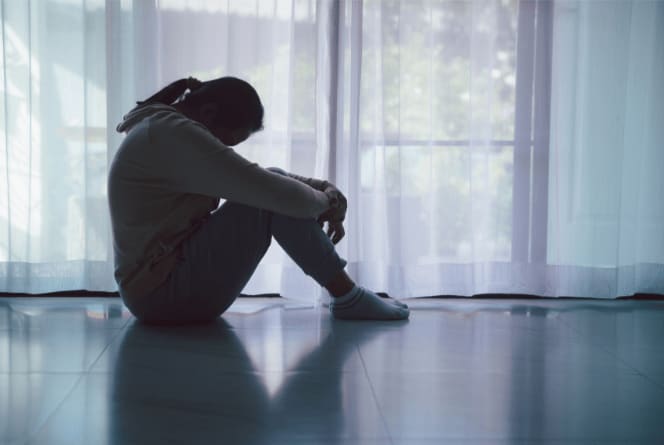
How to Help Seasonal Depression
If you're struggling with seasonal depression, you don't have to face it alone. Therapy, along with other treatments, can provide valuable support. Here are some perspectives and approaches that can help individuals with SAD:
Therapy:
Therapy helps individuals identify and challenge negative thought patterns. It can be effective in changing the way you think about and cope with the seasonal changes and their impact on your mood.
Light Therapy:
Light therapy, or phototherapy, involves exposure to a special lightbox that mimics natural sunlight. It can help regulate your circadian rhythm and improve mood. Many therapists recommend this as a complementary treatment for SAD.
Mindfulness and Relaxation Techniques:
Learning mindfulness and relaxation techniques can help you manage stress, anxiety, and symptoms of depression. Mindfulness-based therapies can teach you to stay present and reduce negative rumination.
Lifestyle Adjustments:
Therapists can work with you to make practical lifestyle changes, such as increasing outdoor activities, maintaining a regular sleep schedule, and improving nutrition and exercise habits.
Social Support:
Seasonal depression can lead to social isolation. Therapy can provide a safe space to discuss your feelings and explore ways to enhance your social support network.

Seasonal depression can be a challenging condition, but it's important to remember that help is available. Therapy offers a valuable perspective on understanding and managing the symptoms of seasonal depression. Whether it's through cognitive-behavioral therapy, light therapy, or lifestyle adjustments, therapists can empower individuals to regain control of their moods and enjoy a more balanced and fulfilling life, even during the darkest days of the year. If you or someone you know is struggling with SAD, seeking professional help is a crucial step toward finding the light within the darkness.
Talk to someone
If you're unsure whether it's seasonal depression, a free 15-minute call can help you figure out what kind of support fits.
Related services
If you're in crisis right now
Call or text 988 for the Suicide and Crisis Lifeline - 24/7, free, and confidential. If you are in immediate danger, call 911 or go to your nearest emergency room. Hope For The Journey is not a crisis center, and messages may not be monitored outside business hours.
Healing is possible. Let's take the first step together.
Book a free 15-minute consult. We'll listen, answer your questions, and help you find the right fit - whether that's with us or somewhere else.